 By The First
Mike Baker speaks with Karolina Hird of the Institute for the Study of War about reports that North Korean troops are being sent to fight alongside Russian forces in Ukraine. What impact will their involvement have on the battlefield? And how might this affect the broader dynamics of the conflict?
More Clips, Highlight, PDB Situation Report
More Like This
Is America About to Pull Back From the Middle East?
As the war with Iran continues, Washington is already confronting a major question: what should America’s military footprint in the Middle East look like when the fighting ends? Steve Yates tells Mike Baker that changes in warfare, stronger regional partners and the growing use of long-range strikes and economic pressure could allow the United States to reduce its presence without abandoning the region. He explains why America is unlikely to close its bases or withdraw entirely, but could rely more heavily on allies, mobile forces and a smaller permanent footprint. Mike Baker speaks with Steve Yates, former deputy national security advisor to the vice president, about what the Iran war has revealed, how America’s military posture has changed since 9/11, and why a pullback from the Middle East would not necessarily mean a retreat.
Could Soaring Oil Prices Break China’s Economy?
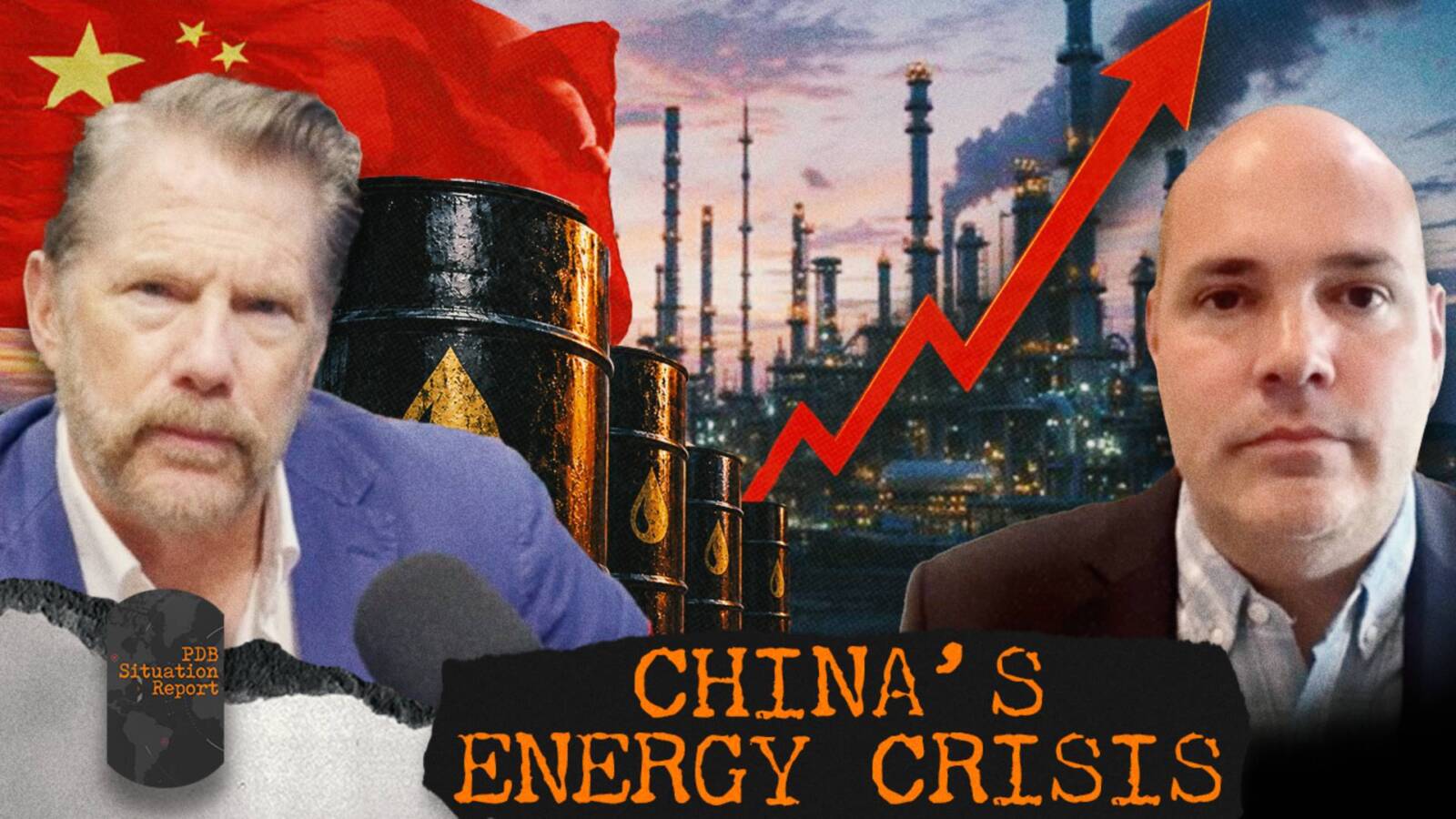
As oil prices rise and tensions with Iran threaten global supply, Daniel Turner argues that China faces a major strategic weakness: energy dependence. Turner tells Mike Baker that China imports almost all of its oil, relies heavily on coal to power its factories, and is far more economically vulnerable than many people realize. He explains why higher oil prices could put real pressure on Beijing, while also benefiting adversaries like Vladimir Putin. Mike Baker speaks with Daniel Turner, executive director of Power the Future, about China’s dependence on foreign energy, the myth of its economic strength, and why a prolonged oil shock could become a serious geopolitical problem for Beijing.
U.S. Navy Admiral: Iran May Attack Before the Midterms
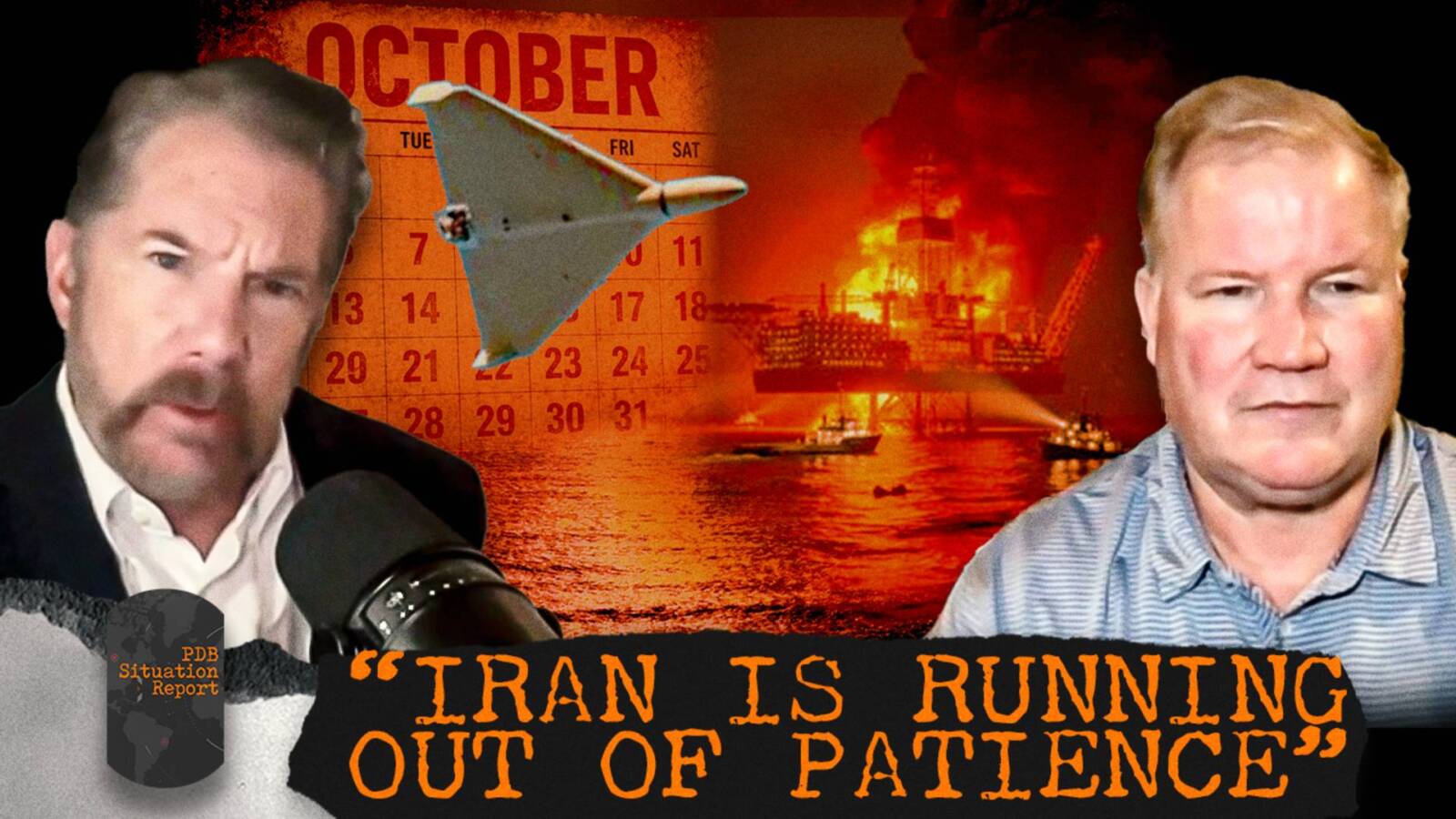
Iran may be running out of patience with the U.S. blockade. Retired Rear Admiral Mark Montgomery warns that Tehran could launch an attack against America’s Arab partners in late September or early October—potentially restarting full-scale military operations and disrupting President Trump’s strategy ahead of the midterm elections.
Mike Baker speaks with Admiral Montgomery, senior director at the Foundation for Defense of Democracies, about Iran’s possible next move, America’s struggle to defend Gulf infrastructure from drone attacks and the long-term strain the blockade could place on U.S. military readiness.
Mike on the left, Admiral Montgomery on the right, with an Iranian attack drone flying toward burning oil infrastructure in the Persian Gulf. A red October calendar appears behind the drone.
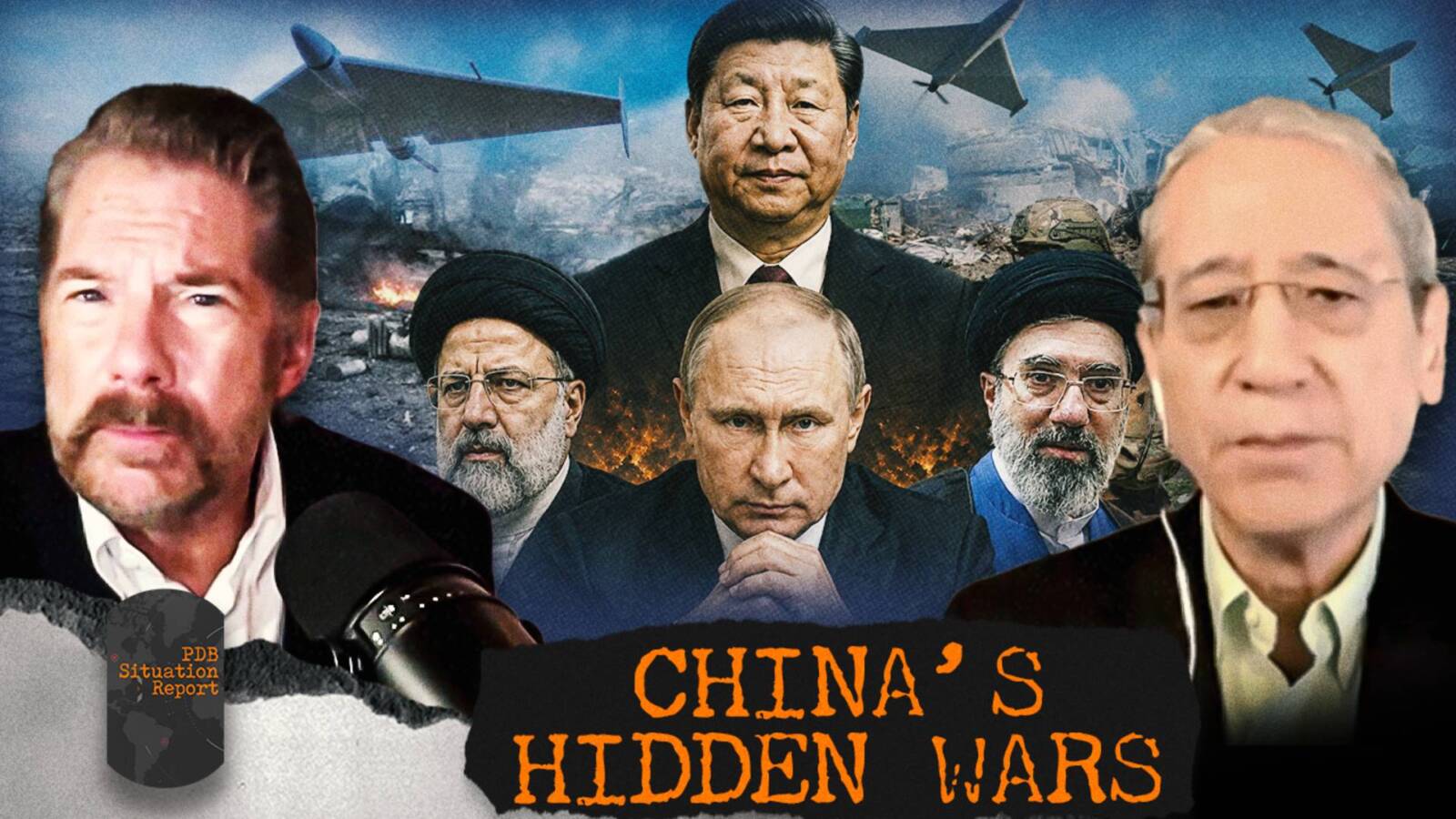
China Is Fueling Proxy Wars on Three Continents
Chinese technology is transforming Russia’s Iranian-designed Shahed drones into faster, deadlier weapons—including autonomous systems capable of selecting human targets without an operator. Gordon Chang argues that this is part of a much larger strategy, with Beijing using its military, technology and diplomatic support to fuel conflicts across Europe, the Middle East and Africa. Mike Baker speaks with Gordon Chang, author of Plan Red: China’s Project to Destroy America, about China’s support for Russia and Iran, the growing China-Russia-Iran war machine and why he believes Vladimir Putin is effectively fighting a proxy war for Xi Jinping.
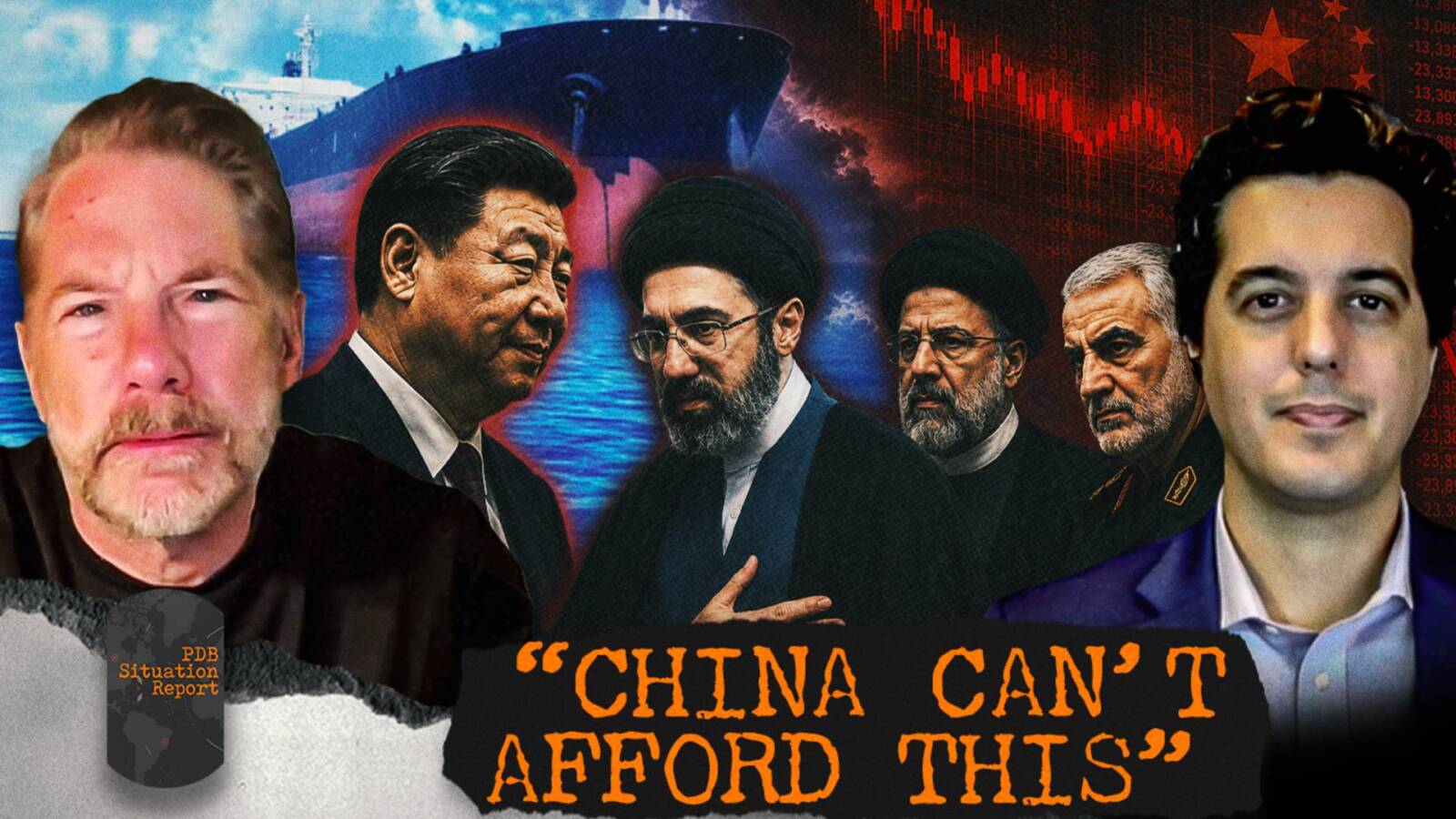
Trump’s Iran Sanctions Could Break China’s Economy
President Trump’s new sanctions campaign against Iran could have consequences far beyond Tehran. China buys roughly 80 percent of Iran’s oil—and cutting Beijing off from that supply could put enormous new pressure on an already struggling Chinese economy while sending global energy prices sharply higher.
Mike Baker speaks with Joshua Philipp, senior investigative reporter at The Epoch Times and host of The Josh Philipp Show, about China’s dependence on sanctioned Iranian oil, Beijing’s mounting economic vulnerabilities and why Trump’s pressure campaign could force Xi Jinping into a difficult choice.
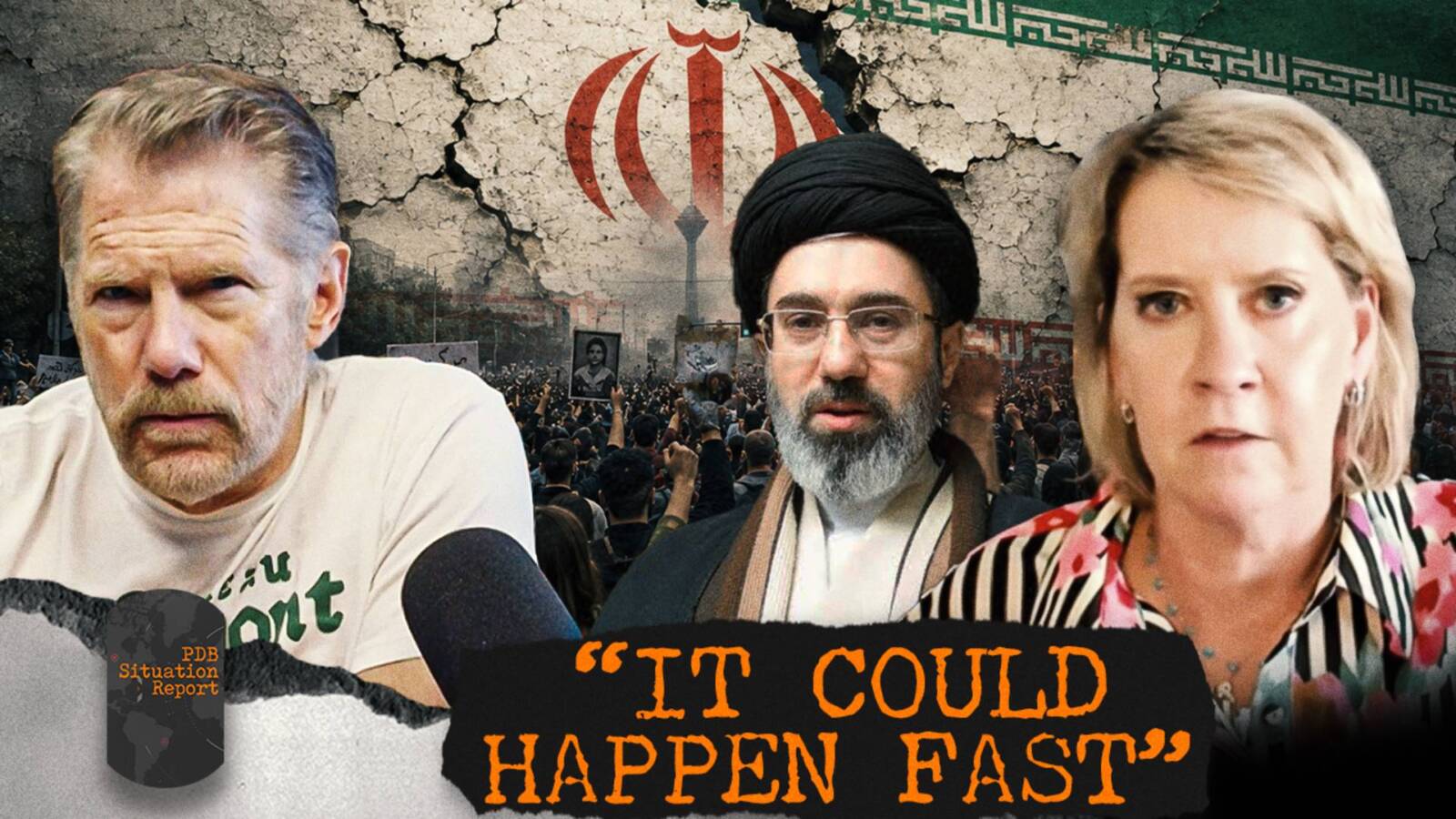
Iran’s Regime Could Collapse Without Warning
Iran’s ruling regime may appear deeply entrenched—but history has shown that seemingly unshakable governments can collapse with astonishing speed. Could growing economic pressure, internal divisions and the loss of support from Russia and China bring Tehran to a similar breaking point?
Mike Baker speaks with Victoria Coates, former deputy national security advisor and vice president at the Heritage Foundation, about the vulnerabilities inside Iran, the intelligence partnerships exposing the regime’s weaknesses and why she refuses to give up on the Iranian people.